TOMATO CATCH-UP - Newsletter Issue 291 – November 2026
Your monthly resource on working capital, process optimization, and issues related to the world of corporate treasurers, IT professionals, and bankers!
This newsletter is bilingual, English or German, depending on the source.
Introduction
Have you heard of “relationslipping”? It’s the weakening of a team’s working relationships as its members substitute AI for each other, as per a recent HBR study (Harvard Business Review). Knowing who to turn to for what is part of what creates a great team. When team members choose to postpone talks in favor of an immediate response from AI, they are not building or updating their mental map of who knows what. Leveraging AI to prepare for talks rather than replacing them is one of the strategies that leaders can implement for better team cohesion. More on the AI topics at point 7 and From the Desk of...
This edition includes topics such as Structured Finance 2026, EBICS Update, Hedging, Smart City Index, Schweizer Staatsquote, FINMA, Swiss Banks, AI at Work, and more.
Remember that for any challenge related to your financial issues, you can ask Martin Schneider for a discussion that will clarify it. Contact Martin via email or call +41 44 814 2001.
- Structured Finance Stuttgart Nov 25 & 26
- Payments Pain.001 Unstructured Addresses Postponed
- Electricity, Gas, Oil Hedging vs. Currency Hedging
- Staatsquote: Die staatliche Wirtschafts-Beteiligung in der Schweiz
- IMD Smart Cities 2026
- FINMA: Accountability and Duty of Care for Swiss Banks
- AI at Work, a BCG-Survey – Main Findings
- Book Tip: The Common Good Economy. A New Compass
- Termine & Events
- From the Desk of Tomato
1. Structured Finance Stuttgart Nov 25 & 26
Danke für eure zahlreichen Rückmeldungen zum Austausch an der Structured Finance in Stuttgart. Sich wiederzusehen macht Freude! Ich freue mich schon jetzt auf schöne Gespräche und gemeinsame Workshops in Stuttgart. Kontaktiere Martin Schneider für einen Termin in Stuttgart.
So treffen wir uns: Suchen Sie Martin Schneider im Messeraum? Via der SF 2026 App oder eine Koordination mit unserem Tomato Kollegen Esra Kummer im Tomato Atelier Zürich +41 44 814 2001.
2. Payments Pain.001 Unstructured Addresses Postponed
Important bank-related payment projects (SEPA 2014, VOP 2025) are often postponed so they can be turned into best practices. In Tomato Catch-Up News July 2026, we reported that it was planned to introduce various changes by Swift for 15.11.2026. Very recently, Swift delayed the November deadline to 2027.
Many banks have also postponed the use of old formats like pain.001.001.03 or the use of EBICS 2.5. Please contact your bank account manager for detailed information. You may also contact us, Tomato.
As time flies, please continue to update your ERPs database with upcoming changes: separate the street address from the town and country, and separate the street name from the street number in the pain.0001 file. For help, you may also contact us, Tomato. Your goal should be to reach format pain.001.001.09 and move to Ebics 3.0.
Préférez-vous le français ?
Des projets liés aux paiements bancaires (SEPA 2014, VOP 2025) sont souvent reportés, puis transformés en bonnes pratiques. Dans le Tomato Catch-Up News 2026-07, il était prévu que SWIFT mette en place divers changements à compter du 15 novembre 2026. Tout récemment, SWIFT a repoussé la date de novembre à 2027
De nombreuses banques ont également reporté l’utilisation d’anciens formats tels que pain.001.001.03 ou d’Ebics 2.5. Veuillez contacter votre Account Manager chez votre banque pour obtenir des informations détaillées. Vous pouvez également nous contacter, chez Tomato.
As « time flies », veuillez continuer à mettre à jour la base de données de votre ERP en fonction des changements à venir : veuillez séparer l’adresse postale de la ville et du pays, et séparer également le nom de la rue du numéro de rue dans le fichier pain.001. Pour obtenir de l’aide, vous pouvez également nous contacter, chez Tomato. Votre objectif doit être d’adopter le format pain.001.001.09 et de passer à EBICS 3.0
Ziehen Sie Deutsch vor?
Wichtige bankbezogene Zahlungsprojekte (SEPA 2014, VOP 2025) werden immer wieder mal verschoben und anschliessend in Best-Practice-Verfahren gelöst. In den Tomato Catch-Up News vom Juli 2026 war geplant, verschiedene Änderungen durch SWIFT zum 15.11.2026 einzuführen. Vor kurzem hat SWIFT die Nov-2026 Frist nach 2027 verschoben.
Viele Banken haben nun ebenfalls die Verwendung alter Formate wie pain.001.001.03 oder die Nutzung von EBICS 2.5 verschoben. Bitte wenden Sie sich für detaillierte Informationen an Ihren Bank Account Manager. Oder wenden Sie sich an Tomato.
Die Zeit fliegt, bitte aktualisieren Sie Ihre ERP-Datenbank / File Pain.001entsprechend den anstehenden Änderungen: Trennen Sie bitte die Strasse von Ort und Land und trennen Sie zudem den Strassennamen von der Hausnummer. Für Hilfe wenden Sie sich ebenfalls an uns, Tomato, Ziel ist Format pain.001.001.09 und auf EBICS 3.0 umzustellen.
Keywords for your preferred AI: EBICS 3.0, pain.001.001.09, SEPA, Swift
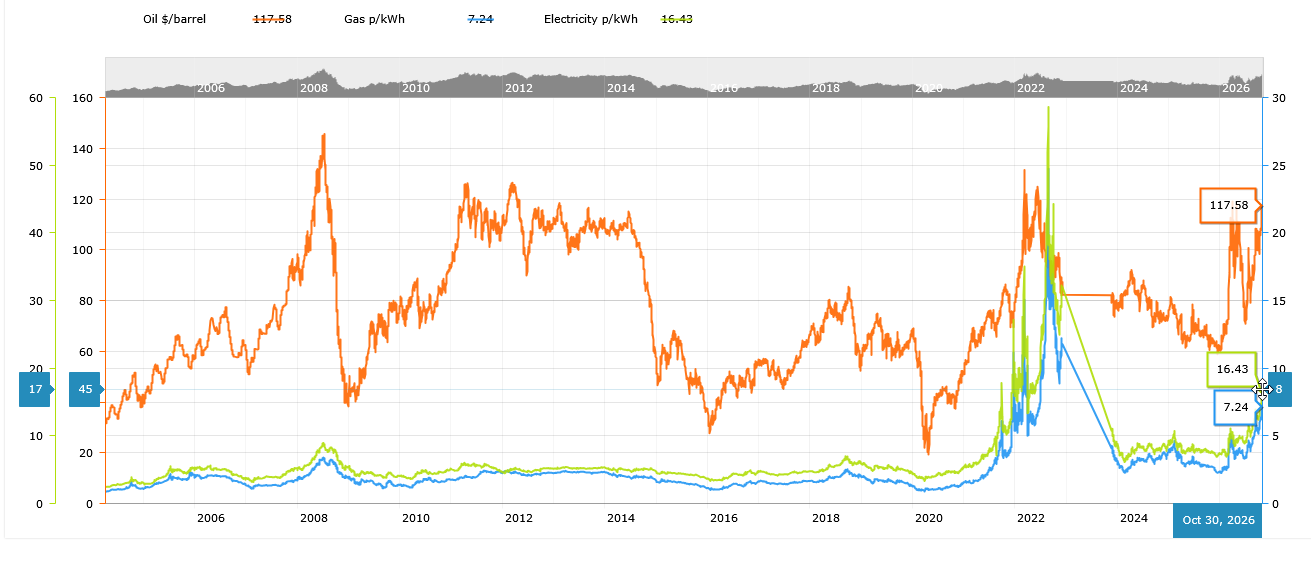
3. Electricity, Gas, Oil Hedging vs. Currency Hedging
Many of our treasury newsletter readers hedge financial risks such as interest rate, currency, and commodity risks. Treasury guidelines describe hedging interest and currency risks as a common practice. However, companies are exposed to additional risks.
Energy price fluctuations are rarely hedged or are not hedged at all. For a few years now, price fluctuations in electricity, natural gas, and LNG have become highly volatile. Oil is permanently volatile.
Wouldn’t it be time to analyze your consumption of these three main commodities?
Would you need an experienced company and a person by your side to allocate the data and spending for gas, electricity, and oil?
Feel free to email-contact Martin Scheider or phone +41 44 814 2001 for more information.
Ziehen Sie Deutsch vor?
Während das Management von Zins- und Währungsrisiken in den meisten Treasuries fest verankert ist, werden Risiken durch Rohstoff bzw. Energiepreisschwankungen oft vernachlässigt. Dabei haben die Preise bei Strom, Erdgas und LNG in den letzten Jahren drastisch an Volatilität zugenommen.
Schützen Sie Ihre Firmenmargen: Ist es Zeit für eine gruppenweite Analyse mit der Evaluierung der Hedging-Instrumente Ihres gruppenweiten Energieverbrauchs?
Wir unterstützen Sie mit langjähriger Erfahrung dabei, Ihre Daten und Ausgaben für Gas, Strom und Öl präzise zu erfassen und Risiken strategisch zu minimieren. Lassen Sie uns gemeinsam Ihr Energiemanagement zukunftssicher aufstellen.
https://www.tomato.ch/newsletter-2024-10.html#l10
Source charts from Clifford Talbot
Keywords for your preferred AI: Hedging, Oil Hedging, Gas Hedging, Electricity Hedging, commodity risks, price volatility
4. Staatsquote: Die staatliche Wirtschafts-Beteiligung in der Schweiz
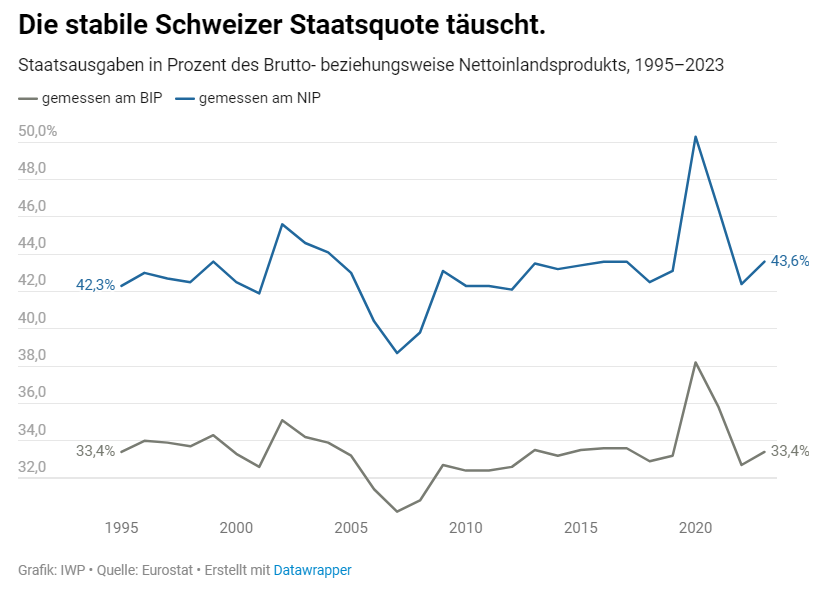
Im internationalen Vergleich sieht der Schweizer Staat schlank aus. Das liegt unter anderem daran, dass in der Schweiz die Krankenkassenprämien oder die Beiträge zu den Pensionskassen nicht in die offizielle Staatsquote eingerechnet werden. Wenn man diese Pflichtabgaben einschließt, steigt die Schweizer Staatsquote laut der IWP-Studie auf 45,9% (Bezugsjahr 2023). Damit rückt die Eidgenossenschaft in die Nähe von Deutschland (48,1%).
Im Jahr 2023 beliefen sich die Staatsausgaben in der Schweiz auf 33,4 % der Wirtschaftsleistung – der zweitniedrigste Wert in Europa nach Irland.
Geben Sie Keywords in Ihre KI oder lesen Details bei IWP
Keywords: Schweizer Staatsquote, Pensionskassen, Krankenkassenprämien
5. IMD Smart Cities 2026
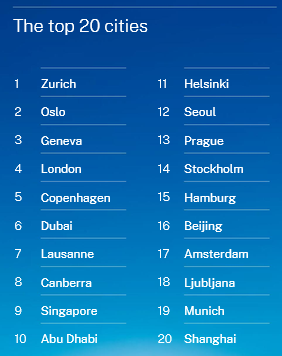
The annual report from IMD Lausanne describes transparency and public trust are key to urban success.
The WCC defines a ‘smart city’ as one that strikes a good balance between its economic prowess (jobs and business activity included), applied technology, environmental concerns, and inclusiveness. The end goal? To facilitate a high quality of life for those living there.
- Top 5 Cities (out of 148): Zurich, Oslo, Geneva, London, Copenhagen
- Core Strength: High scores were driven more by strong institutions and infrastructure than by technology alone.
- Biggest Climbers: AlUla (+27) and Washington, D.C. (+23).
- Notable Drops: Bordeaux (-19), Lyon (-19), Ottawa (-18), and Shenzhen (-18).
AI Keywords: smart city, IMD, Zurich IMD, Oslo IMD, Geneva IMD, AlUla IMD, Bordeaux IMD, Lyon IMD, Shenzhen IMD, Ottawa IMD, Washington IMD.
6. FINMA: Accountability and Duty of Care for Swiss Banks
On 12 Aug 2026, the Federal Council opened the consultation process on the amendment of the Banking Act and the Liquidity Ordinance, which runs until 19 Nov 2026. Three innovations affect senior staff in Swiss banks: an accountability regime, a statutory duty of care for all persons subject to fit and proper requirements, and regulations regarding remuneration.
The accountability regime was initially aimed at all banks, but after a survey, it became clear that smaller institutions would be burdened disproportionately. As a result, the regime is now limited to complex banks, while the duty of care was kept broad. It applies to Senior Managers at all banks, not only to those subject to the accountability regime.
Ziehen Sie Deutsch vor? Der ganze PwC Bericht hier in Deutsch
The behaviour of a Senior Manager is benchmarked against a properly acting fictional peer. The duty of care comprises tasks allocated to the Senior Manager under the accountability regime. They must ensure, within their area of responsibility, compliance with:
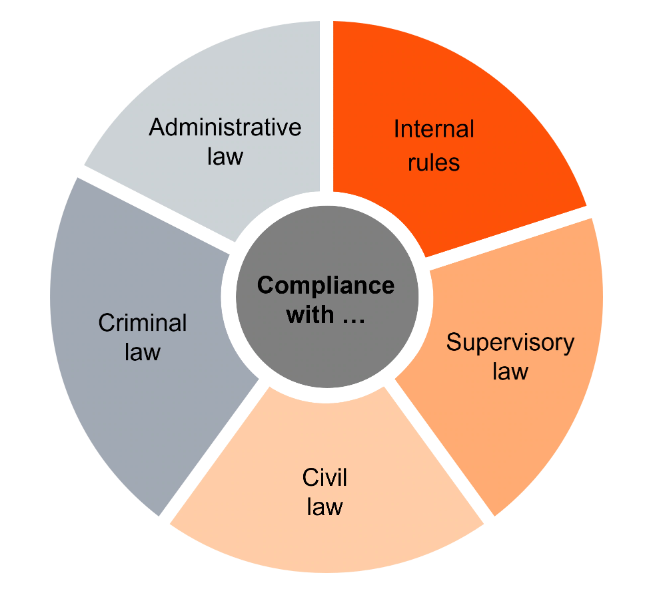
Enter keywords into your AI to find out more, or read details in English at PwC
Keywords: Federal Council, Banking Act, Liquidity Ordinance, duty of care, accountability regime
7. AI at Work, a BCG-Survey – Main Findings
Boston Consulting Group's fourth annual global AI at Work survey indicates that artificial intelligence is altering jobs faster than companies can adapt their operating workflows. Responses from over 11,000 individuals across 14 nations and regions were analyzed. The study highlights that strategic clarity outweighs standalone tool deployment in driving business impact.
- Among frontline employees, 42% are regular AI users and report saving 8 hours a week. Most organizations don’t know how to convert the time into value yet.
- 74% of frontline workers say they use AI every day/a few times a week, up 23% from 2025.
- 6 out of 10 people guess that in the next three years, AI agents could do at least half of their jobs.
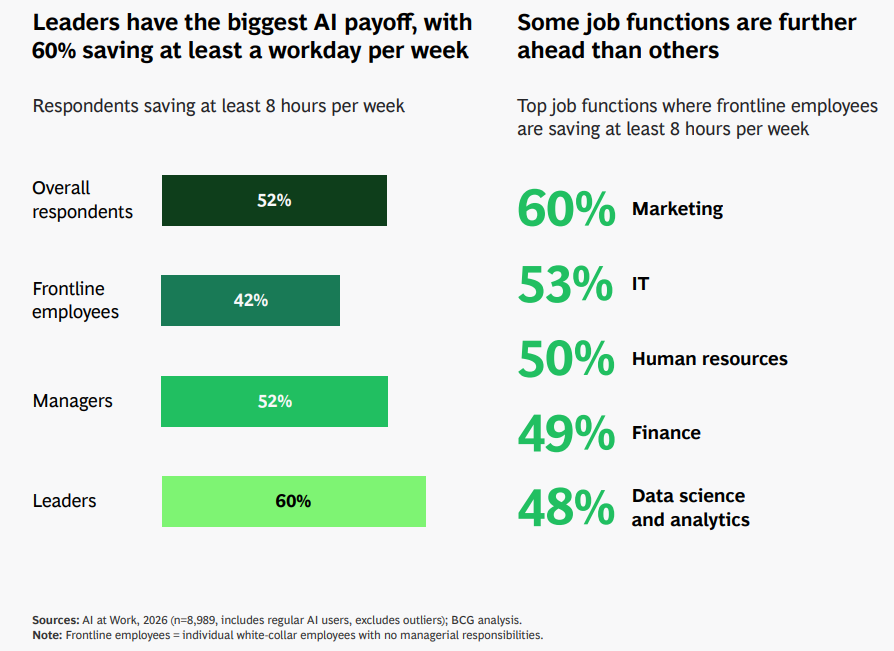
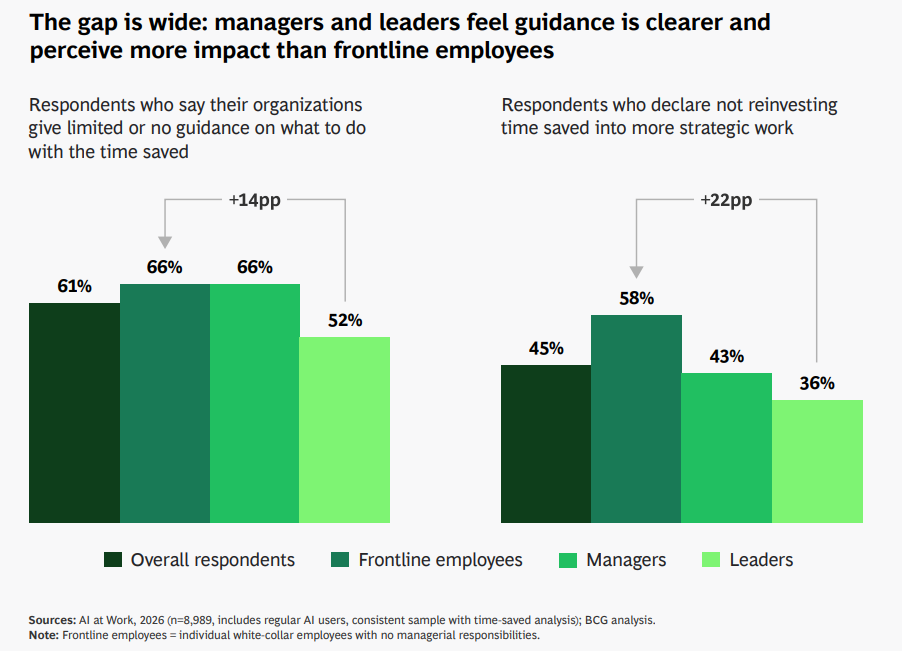
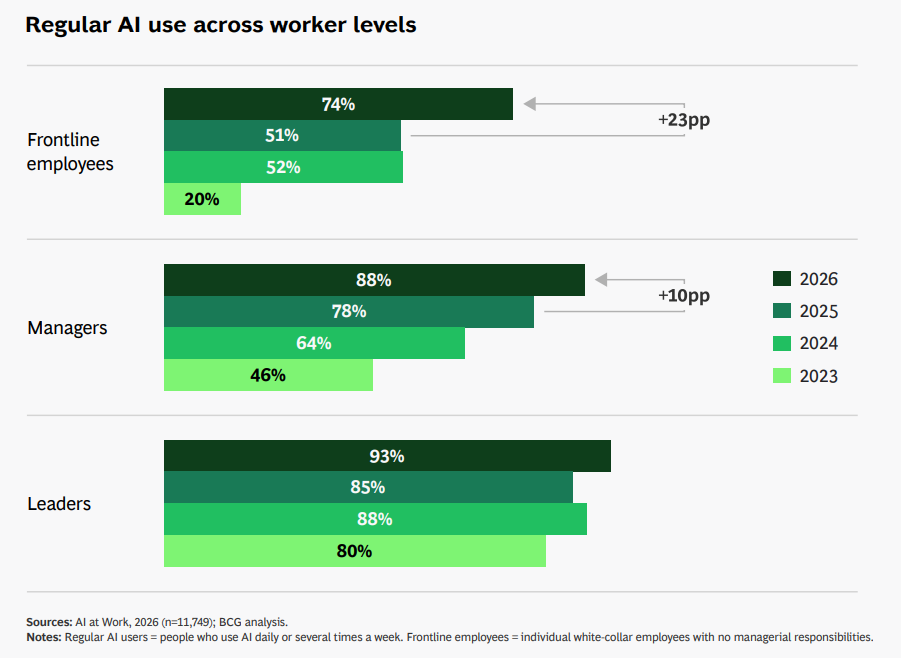
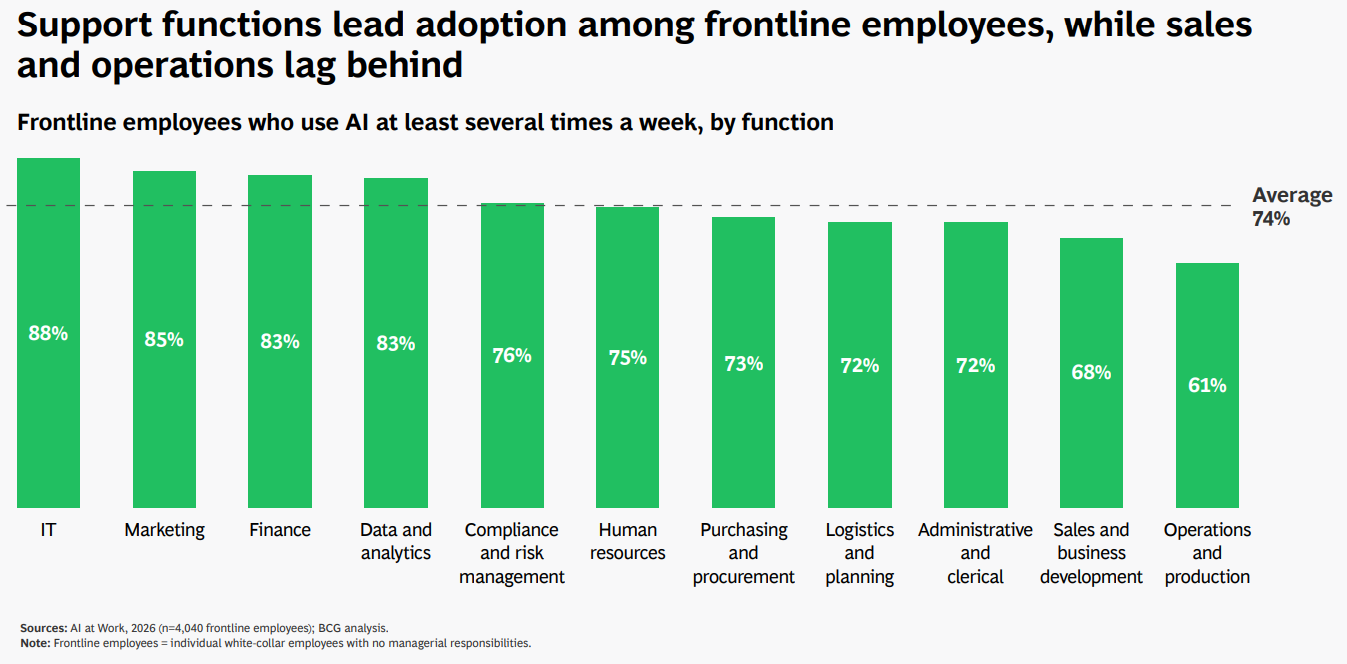
Enter keywords into your AI to find out more, or further information at BCG:
Keywords: frontline employee, AI agent, AI strategy
8. Book Tip: The Common Good Economy. A New Compass
In this book, nominated for the German Business Book Prize 2026, Mariana Mazzucato expands on her innovative concepts of the entrepreneurial state and mission-oriented policies. She discusses a new notion of the common good that enables companies and governments to create meaningful economic relationships. These add value and construct environments where human flourishing can happen. She argues that achieving our shared objectives is just as important as the objectives themselves. The book offers a useful guide to help steer our economy in a different direction.
This rigorous reinvention of economics is full of real-world examples, from governing water to transforming procurement and finance. It also acts as a manifesto for an economy that benefits both people and the environment.
What we’ve taken away from this book:
- In the cooperation between state and private economy, both shall profit.
- Today, states grant money to companies without asking for remuneration. Some good and bad examples: In France: Air France was asked to reduce CO2 emissions. In the UK: during Corona, Easy Jet received a loan without really secured guarantees.
- A government may steer toward leading-reliant mobility/cars, medicines, air, or space. States today support companies with subsidies and guarantees.
- Each kid shall receive a free, quality meal. Therefore, the government should work with private-sector local producers, develop supply chains, etc. State goals don’t need to focus most on Nanotec, AI, computers, etc.
- Silicon Valley received enormous state funds. Intel and others grew into the biggest corporations. The state steering was far from perfect. Today, we complain about the superpowers of Google, Apple, Intel, etc.
- A company today receives public funds for development; later, this same company is known for saving or even hiding worldwide taxes and exploiting cheap labor.
- The state shall receive a part of the profits of their risks.
Ziehen Sie Deutsch vor?
Die Ökonomin Mariana Mazzucato erforscht die Zusammenhänge zwischen Innovation und Wachstum. Mariana zeigt auf, wann und wo immer technologische Innovationen zu wirtschaftlichem Aufschwung und Wohlstand geführt haben, ist ein aktiver Staat im Spiel.
Von der Elektrifizierung bis zum Internet, oft bis zur Markteinführung, war stets der Staat. Apples Welterfolg gründet auf Technologien, die sämtlich durch die öffentliche Hand gefördert wurden; innovative Medikamente, für die die Pharmaindustrie ihren Kunden gern hohe Entwicklungskosten in Rechnung stellt, stammen meistens aus staatlicher Forschung. Es ist Zeit, der Staat holt sich Beteiligungen und Gewinne zurück und nicht nur aus Steuern.
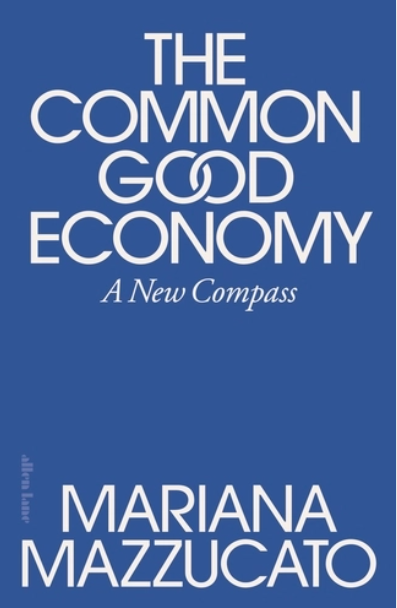
English links to books of Mariana Mazzucato on Penguin Books
Deutsche Bücher von Marian Mazzucato bei campus.de
A YouTube Video interview with Mariana may save you time to read the book ~40 Minutes
9. Termine & Events
- Nov 18, 2026: Treasury Indonesia 2026: Navigating Treasury Priorities in a Changing Economy, Jakarta, Indonesia
- Nov 24, 2026: TreasuryTech 2026, London, UK
- Nov 24, 2026: ATEL Tech Day 2026, Luxembourg
- Nov 25-26, 2026: Structured Finance, Stuttgart, in Deutsch
- Nov 26-27, 2026: AFTE (Association Française des Trésoriers d'Entreprise) Days 2026, Paris, France
- Dec 1-3, 2026: AFP Virtual Workshop: Economics for Treasury Leaders: Turning Macro Signals into Financial Decisions
- March 10, 2027: Deals of the Year Awards 2026 by ACT, London, UK
- April 8-9, 2027: EACT Summit 2027, Brussels, Belgium
- May 20-22, 2027: CEE Treasury Forum 2027, Krakow, Poland
- May 25-26, Treasury Executive Exchange, Chicago, US
- Sept 10, 2027: Baltic Treasury Conference 2027, Vilnius, Lithuania
- Nov 23-24, 2027: IACT2027 Annual Treasury Management Conference, Dublin, Ireland
10. From the Desk of Tomato
For English readers: An article on responsibility for Artificial Intelligence. Feel free to translate with your preferred translator.
Übernehmen wir Menschen Verantwortung für die KI oder delegieren wir Entscheidungen an die KI?
Bei acht Milliarden Menschen auf der Erde sind moderne Logistik und IT unverzichtbar geworden, denn die schiere Menge an Informationen ist für den Einzelnen kaum überschaubar. Künstliche Intelligenz (KI) kommt zur richtigen Zeit, um uns Routinearbeiten abzunehmen. Die Verantwortung und die endgültige Entscheidung, über die von der KI vorgeschlagenen Optionen bleiben jedoch bei uns Menschen.
Ein Blick auf unsere eigenen Finanzen verdeutlicht dies Spannungsfeld: Bargeld schenkt uns die Freiheit, unsere Mittel anonym und nach eigenen Bedürfnissen einzusetzen. Nutzen wir hingegen Kredit- und Debitkarten sowie Bezahldienste wie Twint oder Wero, ermöglichen wir den Banken, innerhalb von Minuten unseren Aufenthaltsort und unser Konsumverhalten nachzuvollziehen. Es stellt sich die Frage, wie lange uns diese finanzielle Selbstbestimmung noch erhalten bleibt. Durch den Einsatz von KI erhalten wir auf Basis unserer Einkäufe immer gezieltere Werbung und Konsumanreize.
Dabei sind Algorithmen längst nicht nur darauf optimiert, junge Menschen zu fesseln – selbst wenn der Zugang zu sozialen Medien für Jugendliche inzwischen stärker reguliert wird. Auch die mittlere und ältere Generation hat ein tiefes Bedürfnis nach Empathie, Austausch und Teilhabe. Besonders wenn Menschen zurückgezogen oder allein leben, wächst der Wunsch nach Verbindung, was wiederum die Nutzung digitaler Geräte und Software verstärkt.
Mit dem unreflektierten Einsatz von KI geben wir sicher die Kontrolle ab. Doch wichtig bleiben menschliche Tugenden wie Empathie, Freude, Freundlichkeit, Hilfsbereitschaft, Vertrauen und auch Ehrlichkeit. Nehmen wir diese Werte als Massstab, so werden wir die Vorschläge der KI sinnvoll nutzen, uns als verantwortungsbewusste Menschen hervortun und entscheiden die Kontrolle über die Technologie zu behalten.
ENJOY – Team Tomato from the Tomato Atelier
